How to Prepare Your Pittsburgh Home for Winter
Pittsburgh winters do not ease you in gently. When the temperature drops in this city, it does so quickly — and it stays cold for months at a time. A heating system that was quietly struggling through October becomes a full emergency in January when overnight temperatures fall below ten degrees, and your furnace stops working at two in the morning.
The good news is that most mid-winter heating emergencies are entirely preventable. A few deliberate steps taken in September or October — before the heating season begins in earnest — are almost always enough to carry your Pittsburgh home through winter comfortably, safely, and without an unexpected repair bill. Here is a practical checklist for getting your home ready.
Schedule Your Annual Heating System Service Before Winter Arrives
This is the single most important step on the list — and it is the one Pittsburgh homeowners most commonly skip until it is too late.
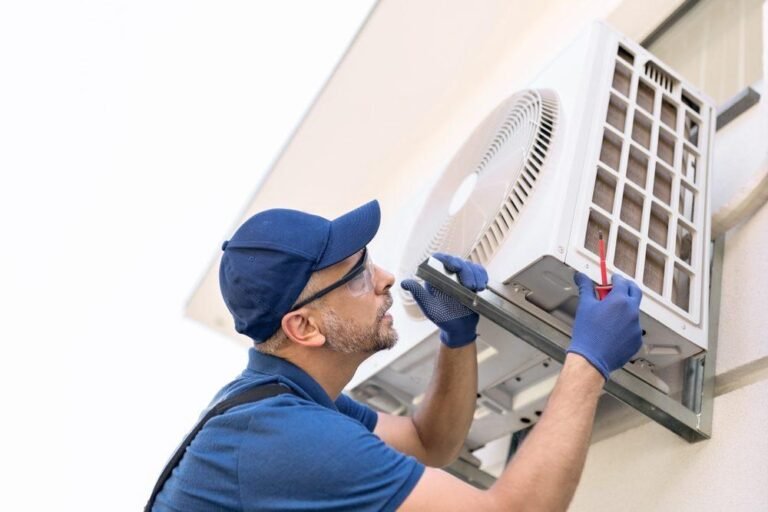
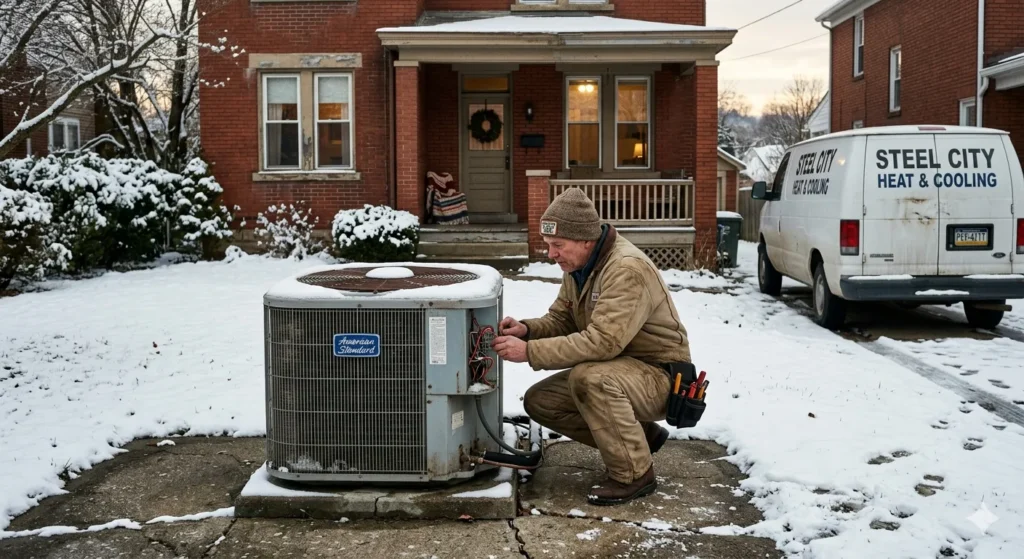
Whether your home is heated by a furnace, a boiler, or a heat pump, your system should receive a professional annual tune-up before the daily heating season begins. A thorough service visit addresses accumulated wear from the previous season, catches developing faults at the minor stage before they become costly failures, and confirms that your system is operating safely and efficiently heading into winter.
The right time to book this service in Pittsburgh is September or early October. By November the heating season is underway and technician availability tightens significantly. Booking before the rush means you get the appointment slot you want and have time to address anything identified during the service before the coldest weather arrives.
If your furnace, boiler, or heat pump has not received professional attention in more than 12 months, contact a licensed Pittsburgh HVAC team and schedule that visit before the first cold snap of the season. It is the most cost-effective winter preparation step available to Pittsburgh homeowners — by a significant margin.
Replace Your Air Filter
A clogged air filter is one of the most common causes of reduced heating performance and rising energy bills during Pittsburgh winters — and it is one of the easiest problems to prevent.
Forced-air heating systems pull air through a filter before it passes over the heat exchanger and distributes it through your home. When that filter becomes clogged with dust, pet hair, and household debris, airflow is restricted. Your furnace works harder to push the same amount of air through a narrower passage — consuming more energy, producing less even heat, and placing additional strain on components that were not designed to operate under that kind of resistance.
Most standard air filters need replacing every one to three months during the heating season, depending on your home’s environment. Households with pets, multiple occupants, or anyone with respiratory sensitivities will typically need more frequent changes. Take the filter out, hold it up to a light source, and if you cannot see light passing through it clearly, replace it. This is a two-minute task that makes a meaningful difference to both your comfort and your energy bills throughout the Pittsburgh winter.
Test Your Heating System Before You Need It
October is the time to turn your heating system on and run it through a complete cycle — not January, when a fault discovered for the first time means an emergency call in the cold.
Set your thermostat to heat mode, raise the set temperature above the current room temperature, and wait for your system to activate. Listen for anything unusual during startup and the first few minutes of operation — unusual sounds that were not present last winter, smells that burn off quickly after the first use are often just dust settling on heat exchangers and are generally normal, but any persistent burning smell or a gas smell during furnace operation warrants an immediate call to a licensed technician.
Walk through your home while the system runs and feel the airflow from every vent or the warmth from every radiator. Rooms that receive noticeably less heat than others, or zones that take much longer than expected to warm up, indicate a developing problem worth investigating before the heating season peaks.
For Pittsburgh homeowners with smart thermostats, October is also the time to update your seasonal schedule — switching from the cooling-season settings that minimised AC use to the heating-season settings that prioritise morning warmth before you get out of bed and comfortable temperatures through the evening.
Check Your Carbon Monoxide Detectors
Pittsburgh’s long heating season means gas furnaces, boilers, and other combustion appliances run for many months each year — and any home with combustion-based heating should have working carbon monoxide detectors on every floor.
Carbon monoxide is colourless and odourless, which means you will not notice it accumulating without a functioning detector. A cracked heat exchanger, a blocked or deteriorating flue, or a combustion problem developing silently in an unserviced furnace can allow CO to enter your living spaces without any visible or olfactory warning.
Test every CO detector in your Pittsburgh home before the heating season begins. Press the test button on each unit to confirm the alarm activates. If any detector is more than seven years old, replace it regardless of whether it passes the test — the sensing components in older units can degrade without displaying any obvious sign of failure.
If your detector activates while your heating system is running, treat it as an immediate safety emergency. Leave your home without stopping to investigate, do not operate any electrical switches, and call from outside. Do not re-enter until your home has been cleared by a licensed professional.
Inspect Your Home for Draught and Heat Loss
Pittsburgh’s older housing stock is particularly susceptible to heat loss through gaps in windows, doors, and wall penetrations that have developed over decades of seasonal temperature cycling. Addressing these before winter arrives meaningfully reduces how hard your heating system needs to work to maintain comfortable temperatures — which shows up directly on your monthly energy bills.
Walk around your home on a cold day and pay attention to areas near window frames, exterior door frames, and any penetrations through walls where pipes or cables enter. Perceptible cold air movement near these areas on a breezy day indicates a gap worth sealing. Weatherstripping on exterior doors and window seals that have cracked or shrunk away from their frames are both straightforward and inexpensive fixes that deliver genuine comfort and efficiency improvements through the winter months.
For Pittsburgh homeowners in older properties with original single-pane windows, draught sealing the frames is particularly worthwhile — these windows pass cold through the glass itself regardless of how well the frames are sealed, but minimising the additional heat loss from frame gaps makes a practical difference to the rooms where they are located.
Clear the Area Around Your Heating Equipment
Heating systems need clear space around them to operate safely and efficiently — and for your technician to access them easily when service is needed.
Check the area immediately around your furnace or boiler and remove anything that has accumulated there during the warmer months. Stored boxes, seasonal items, and general clutter around heating equipment are fire hazards and airflow restrictions that no heating system should operate alongside. Most furnace manufacturers specify minimum clearance distances around their equipment — if anything is stored within a few feet of your furnace, move it out of the way before the heating season begins.
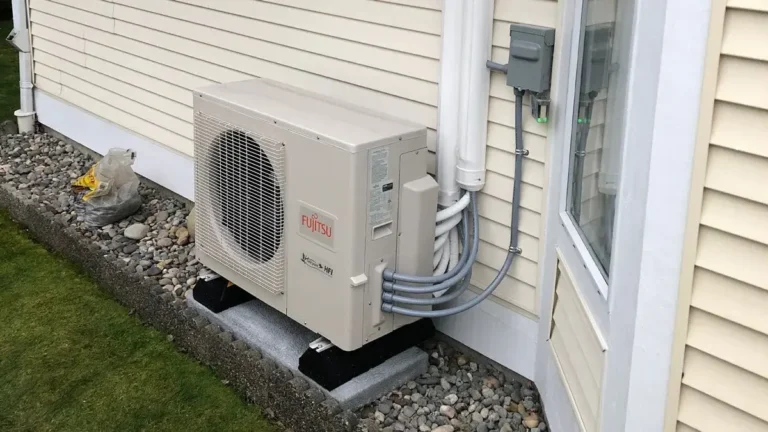
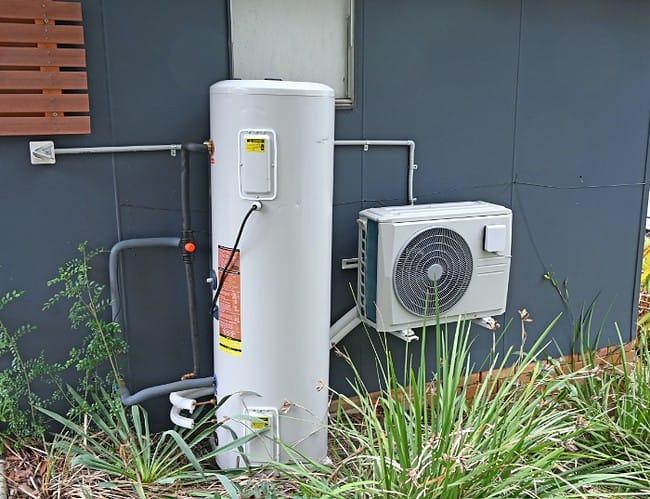
For Pittsburgh homeowners with outdoor heat pump units, clear any leaf accumulation, plant growth, or debris from around the outdoor unit before winter. Heat pump outdoor units draw air through their coil, and restricted airflow around the unit reduces heating efficiency during the cold months when you need it most.
Know Your Emergency Contacts Before January
The final step in winter preparation has nothing to do with your heating system and everything to do with your peace of mind.
Save the contact number for your Pittsburgh HVAC team in your phone before the heating season begins — not while standing in a cold house at eleven at night trying to find someone who provides 24-hour emergency service. Know whether your provider offers round-the-clock emergency response. Know where your system’s emergency shutoff switch is located and how to use it. Know whether your furnace or boiler has a pilot light that you can relight yourself, and have the relight instructions accessible.
Pittsburgh winters are demanding, and heating emergencies do not schedule themselves for convenient hours. Being genuinely prepared — with a reliable emergency number already saved, a system you have already tested, and an annual service already completed — means that when something does go wrong, you are dealing with a manageable inconvenience rather than a genuine crisis.
Start Your Winter the Right Way
The best time to prepare your Pittsburgh home for winter is before the heating season begins. An annual professional tune-up, a fresh air filter, a tested heating system, working CO detectors, and a draught-sealed home will carry most Pittsburgh households through winter without incident.
If you have not yet scheduled your annual heating service for this season, our Pittsburgh HVAC team is ready to help. We service furnaces, boilers, and heat pumps across Pittsburgh and Allegheny County — with fall scheduling available now before the seasonal rush begins.