Heat Pump vs Furnace — Which Is Right for Pittsburgh Homes?
When your heating system reaches the end of its life, the choice in front of you is no longer as simple as it once was.
A gas furnace used to be the obvious answer for almost every Pittsburgh homeowner. Today, modern cold-climate heat pumps have changed the calculation meaningfully — and the right answer now genuinely depends on your home’s specific situation rather than a one-size-fits-all recommendation.
This guide gives you an honest, Pittsburgh-specific comparison of both options — covering how they work, what they cost upfront, what they cost to run through a Pittsburgh winter, and which configuration makes the most practical sense for different types of Pittsburgh homes.
How Heat Pumps and Furnaces Differ
Understanding the fundamental difference between these two systems is the starting point for making a genuinely informed decision.
A gas furnace generates heat by burning fuel — natural gas in most Pittsburgh homes — inside a combustion chamber. The heat produced is transferred to your home’s air through the heat exchanger, and the warmed air is distributed through your ductwork. A furnace runs on fuel, produces heat directly, and works harder in cold weather in proportion to how cold it gets outside.
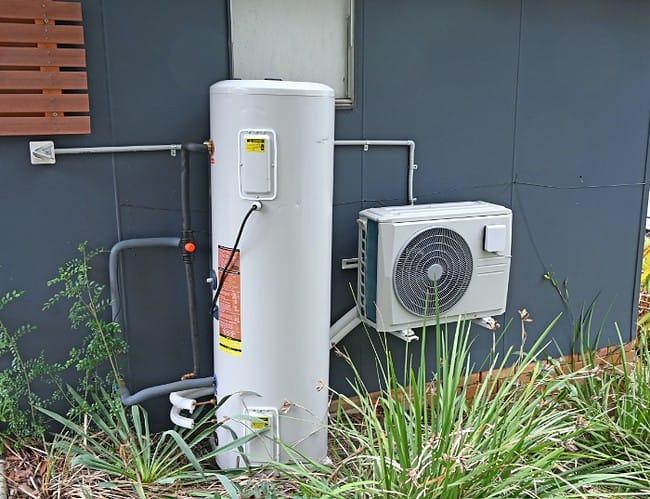
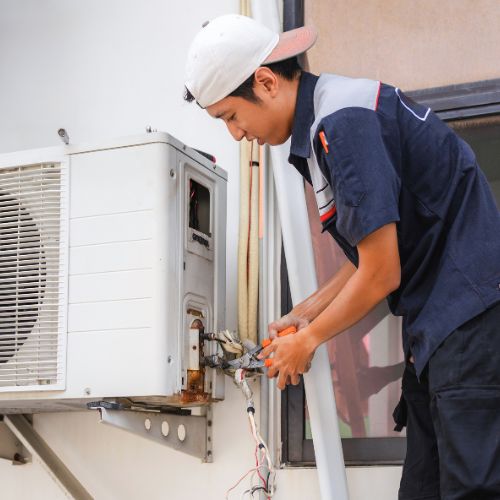
A heat pump does not generate heat at all. It transfers heat — extracting warmth from outdoor air and moving it into your home through a refrigerant circuit. In summer, the process reverses and it extracts warmth from your home and releases it outside, functioning as an air conditioner. One system handles both heating and cooling year-round.
The critical difference is efficiency. Generating heat from fuel converts that fuel into warmth at a fixed ratio — even the most efficient gas furnaces convert around 98 percent of the gas they burn into usable heat. A heat pump, by contrast, moves heat rather than creating it. Moving heat requires significantly less energy than generating it, which means a heat pump typically delivers three to four units of heat energy for every single unit of electricity it consumes under moderate conditions.
That efficiency advantage is significant during Pittsburgh’s milder cold weather. It shrinks as temperatures drop further, which is the core of the heat pump versus furnace debate for Pittsburgh’s climate specifically.
Which Is More Efficient in Pittsburgh’s Climate?
This is the question every Pittsburgh homeowner asks — and it deserves an honest answer rather than a simple declaration that one system is always better.
Pittsburgh sits in a climate zone where winters are genuinely demanding. Average January temperatures typically range from the mid-teens to the mid-thirties, with extended periods below freezing and occasional drops into single-digit territory during the coldest stretches of the season.
Modern cold-climate heat pumps are designed to operate efficiently at temperatures well below freezing — current models maintain effective heating output at temperatures as low as negative five degrees Fahrenheit. This is a genuine and significant improvement over older heat pump technology that did struggle at Pittsburgh temperatures and that gave these systems a cautious reputation in this market.
At outdoor temperatures between twenty and forty degrees — which covers the majority of Pittsburgh’s heating season — a modern cold-climate heat pump operates more efficiently than a gas furnace. It consumes less energy per unit of warmth produced and costs less to run per hour of operation.
At temperatures below fifteen degrees — which Pittsburgh does experience during the coldest weeks of January and February — a heat pump’s efficiency advantage narrows. The system continues to produce heat, but at a progressively lower efficiency ratio. A gas furnace maintains consistent output regardless of outdoor temperature, which gives it a reliability advantage during the most extreme cold periods specifically.
The honest efficiency assessment for Pittsburgh is this: a heat pump is more efficient than a gas furnace for the majority of the Pittsburgh heating season. During the coldest stretches, that advantage reverses. The practical implication of this is the dual-fuel configuration — which we will cover in detail below.
Upfront Costs Compared
For most Pittsburgh homeowners, upfront cost is a significant factor in the decision — and the comparison here is not as simple as comparing equipment prices alone.
A high-efficiency gas furnace installation in Pittsburgh typically ranges from $3,500 to $7,000 depending on system capacity, efficiency rating, and any modifications required to venting or gas supply. This cost covers heating only — a separate central AC system is needed for cooling, typically adding $3,300 to $7,500 to the total if both systems are being installed or replaced.
A cold-climate heat pump installation in Pittsburgh typically ranges from $4,000 to $8,400. This covers both heating and cooling from a single system — meaning the heat pump replaces both your furnace and your air conditioner simultaneously. For Pittsburgh homeowners who are replacing both systems at or around the same time, the combined replacement cost comparison often looks considerably more favourable to the heat pump than a simple furnace-versus-heat-pump equipment comparison suggests.
Federal tax credits currently available for qualifying heat pump installations can reduce your upfront investment meaningfully. Pennsylvania utility providers may also offer rebates for qualifying high-efficiency heat pump systems. These incentives do not apply to gas furnace installations. Ask our Pittsburgh team about current eligibility when you call for your free estimate — available incentives change periodically and are worth factoring into your actual cost comparison.
Operating Costs Compared Over a Pittsburgh Winter
The operating cost comparison between heat pumps and furnaces in Pittsburgh depends heavily on the relative cost of electricity and natural gas in your area at the time of comparison — and that relationship changes over time.
During Pittsburgh’s milder heating months — October, November, March, and April — a modern cold-climate heat pump almost always costs less to operate than a comparable gas furnace. The heat pump’s efficiency advantage during moderate temperatures is consistent and meaningful, and those months represent a significant proportion of the total heating season.
During December, January, and February — Pittsburgh’s most demanding heating months — the operating cost comparison narrows or in some cases reverses, depending on how cold the specific winter is and the relative local cost of electricity versus gas.
Over a full Pittsburgh heating season, most homeowners with a modern cold-climate heat pump see annual heating costs that compare favourably with a high-efficiency gas furnace — particularly when the heat pump’s elimination of a separate cooling system is factored into the total annual energy cost picture.
The Dual-Fuel Option for Pittsburgh
The dual-fuel heat pump configuration is the option that resolves the Pittsburgh climate dilemma most practically — and it is the configuration our team most frequently recommends for Pittsburgh homeowners with existing gas service who are replacing an aging heating system.
A dual-fuel system pairs a heat pump with a gas furnace backup in a single integrated setup. The heat pump handles all heating and cooling during the majority of the year — operating efficiently and cost-effectively across the bulk of Pittsburgh’s heating season. When outdoor temperatures drop below a set threshold — typically around fifteen to twenty degrees Fahrenheit — the system automatically switches to the gas furnace backup, which handles the most extreme cold periods when gas heating is more cost-effective than running the heat pump.
The result is a system that captures the efficiency benefits of heat pump operation for the majority of the Pittsburgh heating season, while eliminating any concern about cold-weather heating reliability during the January and February periods when Pittsburgh temperatures make the heat pump’s efficiency advantage disappear.
For Pittsburgh homeowners with existing gas service and ductwork in sound condition, dual-fuel is frequently the configuration that delivers the best combination of annual operating cost, comfort reliability, and long-term system value.
Which Should You Choose?
There is no single right answer for every Pittsburgh home — but there are clear patterns that point toward the better choice for most situations.
A heat pump makes strong sense for Pittsburgh homeowners who are replacing both their furnace and air conditioner at or around the same time, want to take advantage of current federal tax credits and utility rebates, have a well-insulated home with ductwork in sound condition, or are comfortable with the dual-fuel configuration that optimises both efficiency and cold-weather reliability.
A gas furnace makes strong sense for Pittsburgh homeowners who have no interest in replacing their existing central AC at this time, are in an area of Allegheny County without reliable gas service to support a dual-fuel configuration, or have specific comfort preferences around the immediate, powerful warmth that a high-BTU gas furnace delivers during the most extreme Pittsburgh cold.
The dual-fuel configuration makes the most sense for the largest proportion of Pittsburgh homeowners with gas service — it delivers the efficiency benefits of heat pump technology for most of the year while maintaining the cold-weather reliability of gas heating for the periods when Pittsburgh temperatures make that reliability genuinely valuable.
The most important step before making this decision is a professional assessment of your specific home — its insulation level, existing ductwork condition, fuel access, and long-term comfort and efficiency goals. Our Pittsburgh heating team provides free in-home assessments for homeowners considering either option, with honest guidance on which configuration genuinely serves your situation best.
Learn more about heat pump services in Pittsburgh → Learn more about furnace services in Pittsburgh →